Archaeological Institute of America
American Journal of Archaeology
Home Subscribe Submissions AJA Society Help Contacts Search
Current Table of ContentsPast IssuesOnline ReviewsImage GalleriesSupplementary DataPublic AccessAJA Online Forum
Current Issue 114.1 (January 2010)
Main Image

Leonid Teodorovich Yablonsky explores a largely undisturbed Early Sarmatian burial ground in the Orenburg region of Russia.

The burials date to around the fourth or fifth centuries B.C.E. and belong to the Early Sarmatian culture of the southern Ural region. The most significant burial is a huge royal kurgan (Kurgan 4) that was largely undisturbed. It contained burial goods of precious metals and examples of sophisticated Animal Style art, and provides important new information on burial ritual. Five individual burial pits were found under the mound. The short iron Scythian sword shown here was found in Burial 2, which contained a male (possible) warrior, 50–55 years old. The sword was found placed across his hips, with the hilt at the right hand. It has a gold butterfly-shaped crosspiece and a handle covered with gold ornament in the Animal Style. The blade is decorated with an engraved hunting scene on one side and the immolation of deer in gold inlay on the other. The point of the sword lay atop a heap of more than 200 different kinds of bronze arrowheads. Read More
Jamieson C. Donati discusses objects marked as state property from Corinth and the location of the city’s Greek agora.
Elizabeth Wolfram Thill examines the depictions of Roman and Dacian architectural structures on the Column of Trajan.
Susan Wood explores the identity of the "Diva Domitilla" on aurei and denarii and public images of Flavian women.
Rebecca R. Benefiel takes a closer look at graffiti in the House of Maius Castricius at Pompeii.
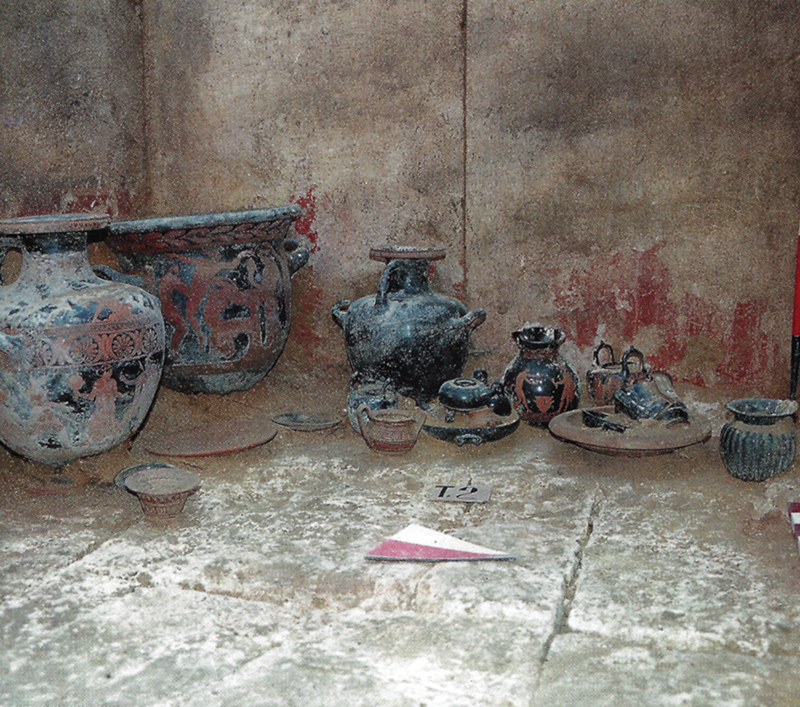
Deborah N. Carlson and William Aylward study the cargo recovered from the Kızılburun shipwreck, off the western coast of Turkey, and its possible destination.
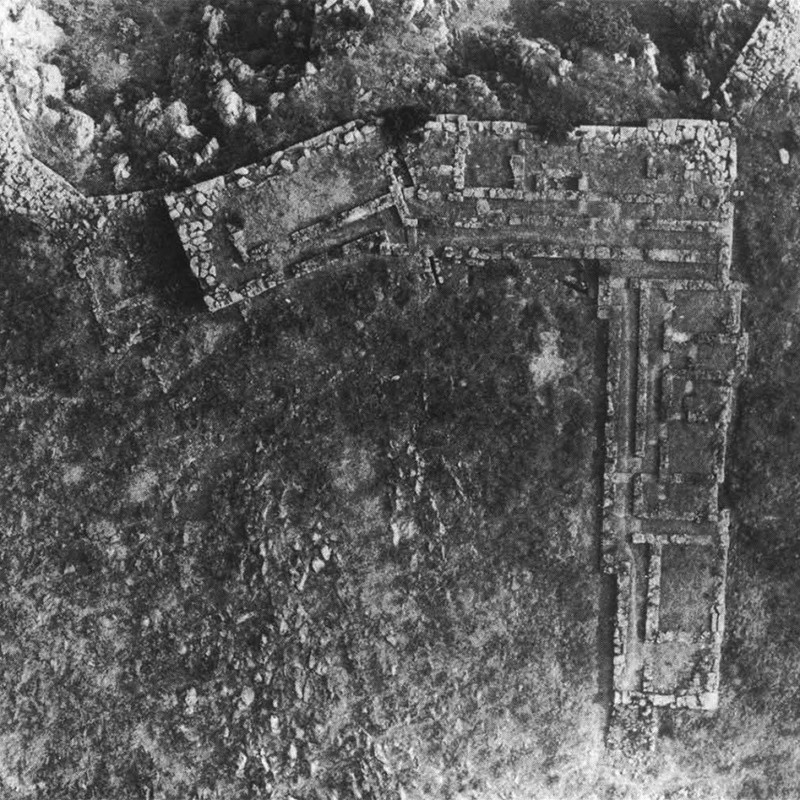
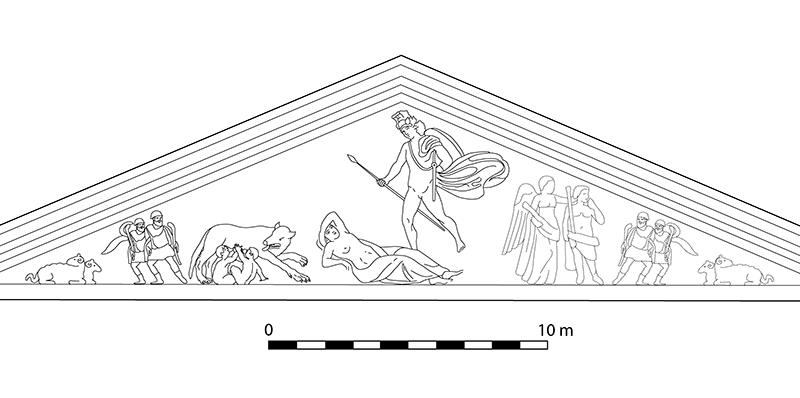
Maria Bonghi Jovino reviews the results of a comprehensive study of the site of Tarquinia.
Colin Renfrew and Giorgos Papamichelakis present new oral testimony on the illicit excavations at Dhaskalio Kavos, on Keros.
Jane B. Carter and Laura J. Steinberg revisit a well-known series of articles by Eleanor Guralnick on the proportions of Greek archaic kouroi and their similarities with Egyptian canon.

Sign up for AJA E-Update

Electronic Subscription

Download Articles


Upcoming Articles

Douglas Boin suggests that the Hercules inscription at Ostia probably records the restoration of a bath complex once decorated with the Labors of Hercules.

Ine Jacobs discusses various kinds of evidence to understand the status of pagan and mythological statuary in the Late Roman cities of Asia Minor.

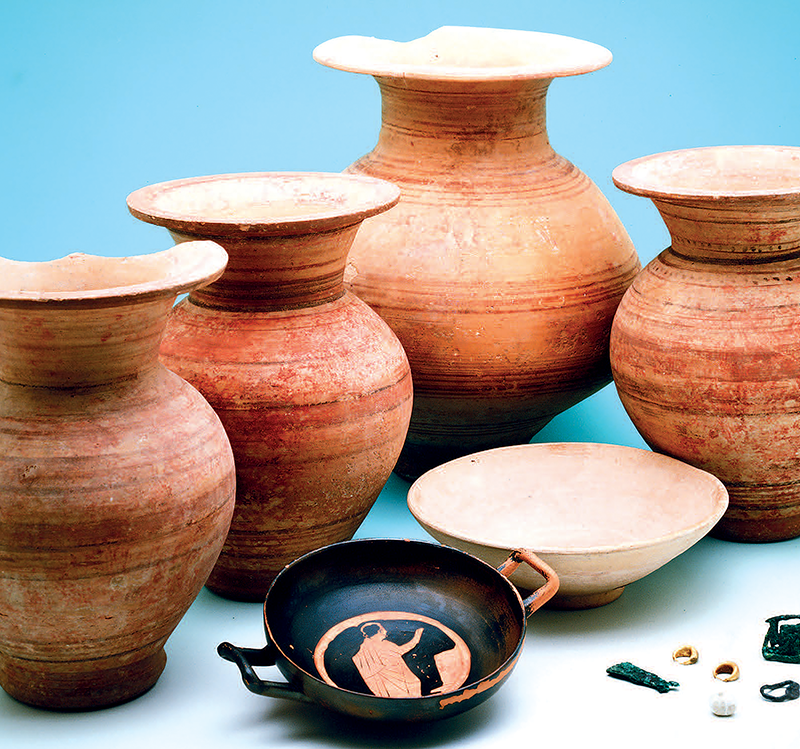
Brice Erickson examines lamps, drinking vessels and kernoi in part 2 of his two-part article on the finds from the sanctuary site at Roussa Ekklesia in east Crete.

Julie Hruby reconstructs Mycenaean emic vessel typologies, using the pottery found at the Palace of Nestor at Pylos.

Brunilde Ridgway examines the bronze statuary from the Porticello wreck, which was found off the coast of Calabria.

About the AJA

The American Journal of Archaeology is one of the world's most distinguished and widely distributed classical archaeology journals. It was founded in 1885 and continues to devote itself to the advancement of archaeological studies and to the promotion of interest in them. Circulation of the AJA reaches 53 countries and almost 1,000 universities, learned societies, departments of antiquities, and museums. It is published quarterly in both print and electronic (PDF) formats in January, April, July, and October and is available through membership in the Archaeological Institute of America or by subscription.